Complete Guide to BNC Plug with Wire Cable: Uses, Specifications & How to Choose the Right One
A sudden shift in tech demands parts that keep up - enter the bnc plug with wire cable, built for clear signal transfer. Not just another piece in the box, it handles tasks from security cameras to hd video feeds without missing a beat. Picture crisp connections during live transmissions or steady links in radio gear - that’s where it proves useful. Dive into how it works, what specs matter, and ways to pick the right one. Details shape results, especially when moving beyond basic setups toward something more solid. A dependable bnc setup doesn’t shout - it simply performs.
Understanding the BNC Plug and Its Connection to Wire Cables?
A twist locks it BNC handles video signals plus gear that runs on lower radio frequencies. Instead of twisting, some systems use a snap-in fit, though those work best where power stays mild. When strength matters more, UHF steps in, built rugged for heavy transmitters and airwave broadcasts. Connecting one type to another? There’s a link shaped at ninety degrees doing just that job. One end takes the BNC spike, while the opposite opens up for UHF’s threaded hole. Bend comes in handy near walls or tight spots, so cords don’t fold too hard around corners.
Uses for BNC Male to UHF Female Right Angle Adapter
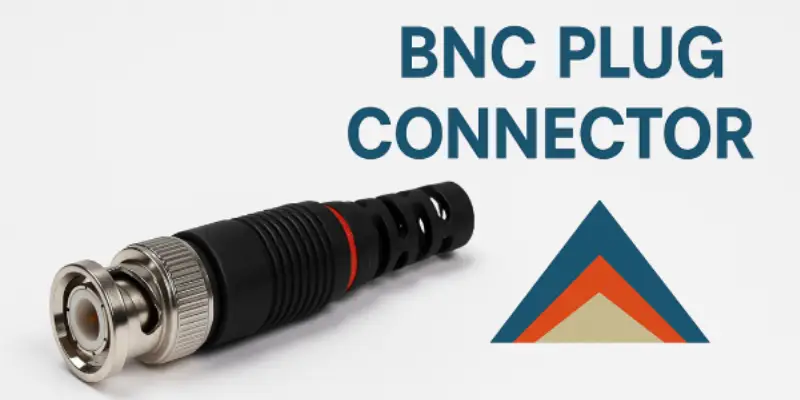
Twisting into position, the BNC plug secures tightly thanks to its bayonet lock design. Usually linked to a coaxial line, this connector keeps signal drop low across stretches. Built for steady performance, it shows up often in video systems or radio frequency uses. Instead of just plugging in loosely, it holds firm when locked. Known by its full name - Bayonet Neill-Concilman it avoids slips during operation. Not quite like basic connectors, it balances toughness with movement ease. Found regularly where reliability matters most, it stays put without fuss.
A single strand often follows the RG-58, RG-59, or RG-6 path, wrapped in material that blocks unwanted signals. Because of its design, it carries waves as high as 4 GHz - some versions more, some less. When picking gear, those who tinker or test find that solid bnc plugs paired with proper cabling cut down on glitches caused by weak links.
Uses for BNC Plug with Wire Cable
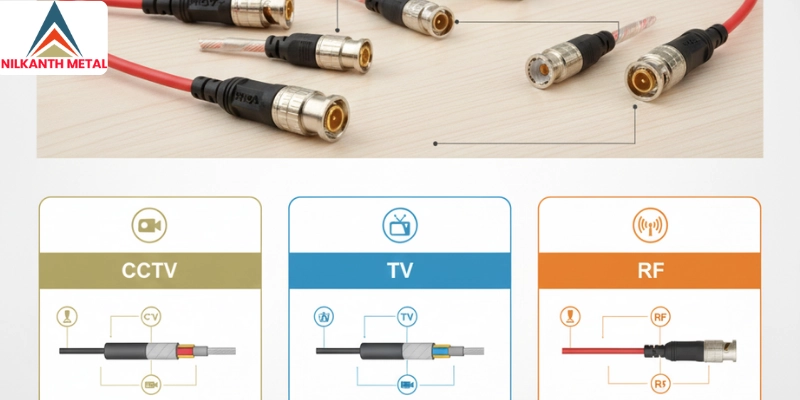
A strong build makes the bnc plug with wire cable useful in many areas. One spot you see it is in video setups, where signal stability matters. Picture transmission through security cameras often relies on this connector. It shows up in test gear too, linking devices without losing quality. Radio systems use it because it handles high frequencies well. Medical machines sometimes include it for precise data transfer. Even audio equipment can depend on its reliable connection. Each time, durability helps it perform under pressure
Out on the edge of a rooftop, a camera feeds live images through a BNC-tipped cable. That snug connection holds tight even when wind shakes the housing. Instead of losing signal, the video travels clean into a recorder below. You’ll spot these cables linking gear where reliability matters most. Installation goes smooth, especially in places exposed to rain or dust. Clarity stays high because the link between lens and display doesn’t waver.
Starting off, bnc plugs link antennas to receivers using wired cables - common in both cable and satellite television setups. These connections keep HD signals clean, helping avoid glitches like shadows on screen or broken images. In studios, such hardware supports gear that must work without fail. Reliability matters most when live feeds are running.
A signal flows better when connections match resistance - bnc cables help here. Starting at an antenna, the link runs through a wired plug into gear like Wi-Fi units or hobby radios. Resistance levels often sit at 50 or 75 ohms on these lines. Because of that setup, waves travel without bouncing back much. Efficiency comes from this steady path, not flashy parts.
A single flick of the wrist connects a probe - suddenly, signals flow through coaxial paths. Labs hum quietly while scopes trace voltages shaped by time. Out in the open, portable gear holds steady using ruggedized links between parts. Wires bound at one end with snug fittings carry faint electrical whispers without blur or lag.
A flicker of light meets sound through this connector, bridging old projectors and today’s setups. When vintage gear hums alongside new mixers, it’s often thanks to this small but steady link. Picture fuzzy screens giving way to clear playback - this piece quietly makes it happen. Not flashy, yet always working behind the scenes where cables twist into harmony.
From studios to workshops, the bnc plug paired with a wire cable fits wherever signals need moving. Its shape bends to different setups without fuss. People who send data day by day rely on it quietly. Not flashy, yet always ready when called.
BNC Plug with Wire Cable Details
Pick carefully by checking what's inside. Look at the numbers that matter most. One thing to note - how fast it runs. Another detail worth spotting is memory size. Storage space shows up next. Power use follows after that. Weight comes into play too. Last but not least, screen quality stands out
A twist-and-lock design keeps the connection secure - commonly seen as male or female ends. These BNC plugs usually attach to cables using either crimping or soldering methods. A tight seal comes from the bayonet-style mechanism that holds things firmly in place.
A wire's job depends on its kind, like RG-59 handling video signals while RG-58 deals with radio frequency tasks. Thickness matters - most cores range between 18 and 22 AWG. Protection from electrical noise comes from wraps of braid or sheets of foil shielding around the inner parts.
Mismatched numbers on cables cause trouble. Radio signals run at fifty, television ones at seventy-five. Getting those wrong weakens the signal strength along the line.
Frequencies stretch toward 1 gigahertz up to 4, shaped by the specific cable choice. Shielding quality becomes more critical when signals climb higher in range.
One foot or a hundred - that’s how long these cables can stretch. Some bend easily, others hold their shape. What they wear matters too - PVC or Teflon jackets decide how tough they are.
Fine metal links made of brass move electricity well. Nickel coats some parts to help them last longer. Gold finishes fight rust in damp spots.
A solid bnc connector paired with a cable tends to show its details upfront - some even carry RoHS approval, pointing to safer materials.
Choosing a BNC Plug with Wire Cable
Start by thinking about how you will actually use the connector. Match that with what each model offers on paper. Check the fit before assuming it works. Look at the wiring setup nearby - does it line up cleanly. Test durability claims through real handling, not just data sheets. Think twice when price seems too good. Go where reliability shows itself over time
1. Assess Your Application Start by asking what it's for - cameras need video signals, antennas rely on radio frequency. That choice shapes both resistance levels and wiring kind. Take a BNC connector with stranded wire meant for television - it must match 75 ohms. Radio frequency setups often run on 50 instead.
2. Check Compatibility A match between plug and device matters most. Check each port size carefully before connecting. Thread alignment should be verified by hand. When using several gadgets at once, consider an adapter instead.
3. Prioritize Quality and Durability Avoid unknown labels when picking a connector; names such as Amphenol or Belden tend to hold up better. What's inside matters just as much - the build should feel firm, not flimsy. Flimsy parts often lead to broken wires or weak transmission over time. If it lives outside, go for one sealed against moisture and dust.
4. Consider Length and Installation Pick a cable that fits - too much slack might weaken the signal. Getting it together goes smoothly with simple crimp tools on hand.
5. Budget and Reviews Starting at five dollars, some go as high as fifty each foot. Look into what users say about how they actually work. Warranties tend to come with solid BNC plugs paired with a wired connection.
6. Test Before Buying Start by checking signal levels if you can, using tools like a multimeter or an oscilloscope. Sometimes it helps to see what the readings look like early on. Tools give clearer pictures than guessing ever could. A steady hand makes the measurements more reliable. What matters most shows up in consistent results over time.
Focusing here makes your choice clearer. A solid pick comes from weighing each detail. Results improve when the right piece fits. Getting it right means checking every part matters.
Common Errors and Practical Advice
Watch out for traps - grabbing parts with wrong impedance might invite noise. Skipping proper shielding could bring unwanted signals along. Choosing cheaper gear now may cost more later.
Start by fastening cords with cable ties - keeps things tidy. Look them over now and then; spots of damage show up eventually. If you know your way around tools, a Time Domain Reflectometer helps fine-tune performance. Plug that BNC connector into line cables only when surge protection is in place - safety gets stronger that way.
Final Thoughts on Using BNC Plugs with Wire Cables
One way to start: that bnc plug attached to a cable does far more than just link things. Think of it as opening a path where signals move without hiccups. Knowing how it works, what it handles, and how to pick the right one makes your tech builds smoother. For work setups or weekend tinkering alike, making smart choices pays off in steady performance. Get yours from sources you trust, then see what better links can do. Connection success feels pretty good.
Recent Post
August, 20 2025
UHF Plug Connector: A Comprehensive Guide



April, 28 2025
Your Trusted Source for High-Quality Brass Air Valves


February, 14 2025
Versatile Brass and Steel Screws Customized for Industrial Sectors

July, 19 2024
What is Core Vents?