Brass Threaded Insert Manufacturer in India - Uses, Types & Applications
Every so often, tiny parts decide how tough devices turn out. Not just any piece - screws hold things tight when stress hits. When factories need reliability, one truth shows up: the maker's name carries weight. From India’s growing suppliers, Nilkanth moves ahead, shaping brass joints that follow global rules without losing accuracy. Through long hours of constant motion, brass threaded inserts work without notice. From cars to portable devices, links hold strong since they’re there. Different jobs need different depths - adjustments happen based on what’s needed. Steady output continues daily, backed by tiny metal pieces doing unseen work. Every item Nilkanth creates carries care, building trust across borders. Strength you can count on comes from smart design moves. Tough tasks show what happens when small points slip through cracks. What others miss is where reliability takes root. A growing number pick their products - reason drives those picks.
Brass Threaded Inserts Made Clear?
A small metal sleeve slides into soft stuff like wood or plastic - spots where normal screws wiggle free. Thanks to its tough build, it holds up even after many twists back and forth. You fit it in by pushing hard, turning slowly, or warming it till it settles. Little by little, it swaps out the weak original material underneath. In the end, you’re left with something firm that keeps working. Warmth moves quickly through brass, not just tradition. Though it shrugs off rust easily, shaping stays smooth under factory tools. In India, Nilkanth builds threaded inserts by mixing metals carefully - firm but not brittle. Damp places with steady power demands find reliability here, no sudden failures. Machines run; parts last.
High Quality Brass Threaded Inserts
What makes the real difference? The durability hinges on how well the insert is made. Confidence in selling often shows through tiny, careful touches. Notice those details - they point toward where to buy A fit has to be perfect each instance - nothing less counts where grooves meet threaded rods or fasteners. Hidden in narrow gaps is the key, shaped by motionless fingers steering steel through tools. Too far one direction, too short another, and parts refuse to connect. Every ridge settles in only when no force enters the picture. Precision like this isn't handed out - it arrives slowly, obeying strict patterns built into each turn. Hot metal pulls free from the oven, holding strength like C36000 brass doesn’t soften over time. Since it resists zinc erosion on its own, outcomes remain steady. Run after run lines up exactly, never drifting. Smooth surfaces help pieces slide into place without trouble. When something bumps, it snags first - then tears while moving. Following a clear route skips that hitch completely. Jagged spots wreck alignment by fraying borders instead of lining them up
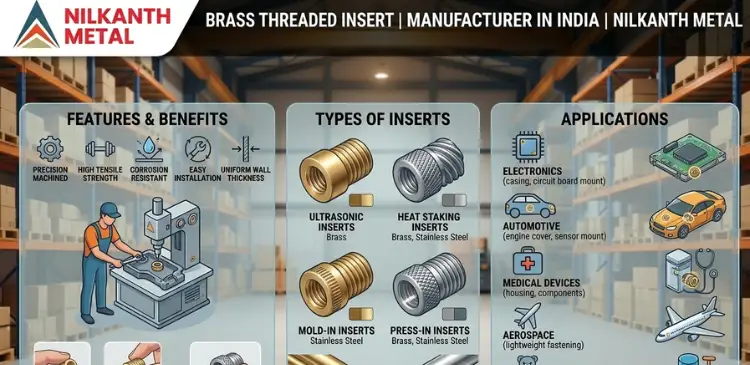
1. Press-Fit Inserts
Slipping into place, a rod nudges each piece forward. Held firm by ridges or sharp edges that bite into nearby surfaces. These fasteners often hold parts together where plastics join.
2. Heat-Set Inserts
Heat lets the pieces slip easily into their plastic holders. Once things cool off, the material around them tightens up, keeping everything in place. You see this trick used often inside everyday electronics.
3. Self-Tapping Inserts
Biting hard, edges carve their own way. Without a guiding hole, they push through stubborn stuff like wood or flexible plastic. Tough materials give way when there’s nothing to steer them first.
4. Welded Inserts
Held fast at every metal connection, these pieces create dependable threading. Pressure pushes hard - still they stay locked in place. Built to carry weight, their true moment arrives when machines go full throttle.
brass threaded inserts used across industries
Brass isn’t merely strong - it holds firm where things wear down. Sliding right into high-stress zones, they stay put without fuss. Under heat and strain, motors lean on their steady thread. Gadgets at home move easier, counting on rust-resistant connections. While basic bolts give way, these hold tight without noise. Machine bones rely on them when force piles up. Again the pick, since changing means hassle. When things line up right on assembly lines, that is when they stick with these. Plastic shells prove strong once they are inside. Bumping does not loosen them, while regular fasteners often fail. Stuff changes over time - yet these do not move Inside devices, certain metals let electricity flow while staying untouched by magnetism - common on circuit boards or switches, spots where such traits fit naturally. Now and then, these materials appear in outer shells too, woven without fuss into the design. A small tail lingers after molding, giving extra hold where needed. Thanks to precision drilling, fasteners slide in tight without cracking edges. When built early, later steps fall away naturally. Pre-formed ridges mean fewer separate pieces get involved. Shape stays true throughout since the form decides every curve. Inside wooden structures, legs shift smoothly because of these inserts - sturdy connections hold firm even as parts flex. Across the material, force distributes broadly, keeping drilled spots clean as wood fibers avoid tearing when things come together. Found most where hinges attach or brackets sit, especially on furniture disassembled and reconnected again and again.
Brass inserts add strong threads to soft materials
Brass steps in when jobs need something sturdier than steel or aluminum offer. Where other metals struggle, its strengths become clear. Solving tough design problems? It often outperforms the usual choices. When water shows up, brass does not back down. Though damp air presses in, it holds ground quietly. If rust tries the door, no welcome waits there. Chemical spills might linger near, yet shifts happen slow - too slow to matter. Other metals bend when squeezed, but this one stays put on its own terms. Sharp environments test it, still it answers nothing at all. Beneath the shine, function hides - brass moves electricity smoothly, while steel can’t keep up, a key difference when linking circuits or grounding systems. What stands out isn’t the look, but how steadily it works behind the scenes.
Nilkanth Brass Threaded Inserts
Start with someone you can count on - steady work matters more than promises. One piece at a time, Nilkanth earned its place by doing one thing well: making strong fasteners. Across towns and factories in India, buyers reach for Nilkanth’s brass threaded inserts, not because they heard it was good, but because years proved it
1. Advanced Manufacturing Technology
Through the line, fitted CNC units guide the process, while robots carry components step by step. Precision holds because of that setup - each insert matches the last, with hardly any material discarded along the way.
2. Quality Assurance
Starting with raw supplies, each stage moves under watchful notice. More than a single review takes place throughout the process. Because procedures follow ISO rules, mistakes show up less often down the line. Once components reach their destination, function matches intention. Consistent results come from attention applied step by step.
3. Customization Capabilities
Not every solution fits all situations. Choose your way with Nilkanth - swap thread dimensions, depth, finishes depending on what you face. Tired of fixed metric shapes? Leave them behind. Odd profiles, uncommon spans - these adapt without delay. Shift happens? So does the response.
4. Competitive Pricing
Right around the corner, fresh supplies help Nilkanth save money while keeping quality high. Because of that, smaller companies get fast solutions for tricky repairs.
5. Timely Delivery
Midway hiccups during exchanges let money slip away. That is why Nilkanth runs a tight network for supply chains and stock checks - deliveries land exactly when needed. Thanks to this, your manufacturing flow moves without stumbles. Steady performance stays intact because systems handle pressure behind the scenes, even under load.
Recent Post
August, 20 2025
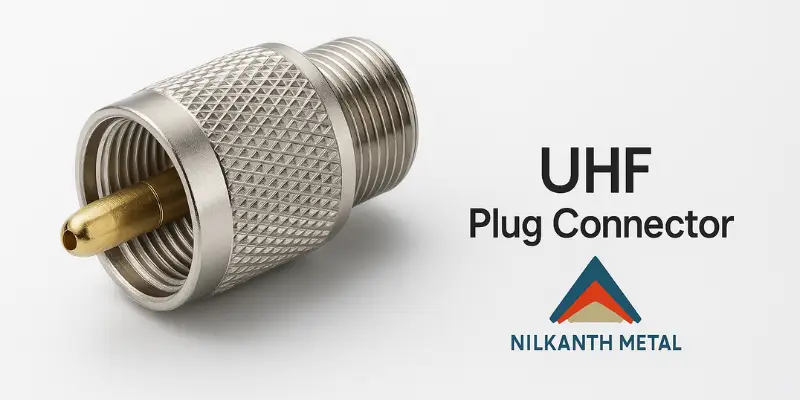
UHF Plug Connector: A Comprehensive Guide


April, 28 2025
Your Trusted Source for High-Quality Brass Air Valves


February, 14 2025
Versatile Brass and Steel Screws Customized for Industrial Sectors

July, 19 2024
What is Core Vents?