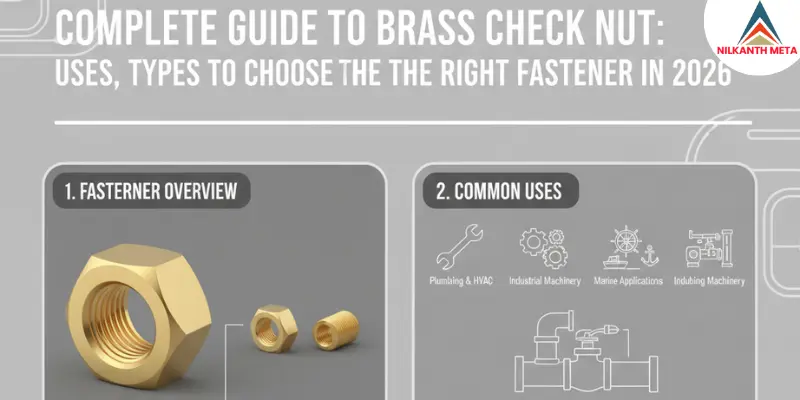
Complete Guide to Brass Check Nut: Uses, Types & How to Choose the Right Fastener in 2026
Still holding strong through heavy use, brass check nuts fit into machines, pipes, and wiring setups without failing. Their ability to resist rust while staying tough makes them show up often in both factory work and home projects. As years pass toward 2026, they remain picked more than others - built to last, built to stay put.
A twist here, a steady hold there - might not grab attention like F to Female Plugs in electronics, yet they anchor things just as firmly. These small parts keep joints tight, assemblies from wobbling apart. This look covers what these nuts do, the shapes they come in, where they’re used, also how picking one affects performance down the line.
Brass Check Nut Explained?
A small twist keeps things locked - that’s what this brass nut does in any screw setup. Crafted entirely from solid brass, it fights rust without effort. Wherever threads need stability, inside or out, it holds firm. Moisture, time, vibration - none shake it loose easily.
Starting off tight, brass check nuts hold firm even when things shake apart nearby. Temperature swings might weaken lesser parts, yet these stay put without extra help. Take that F to Female Plug - it locks coax cables down solid - while across workshops, similar reliability shows up in joints and pipes. Machinery runs hard, still they resist slipping loose. Plumbing lines hum under pressure; here again, their grip makes the difference.
Key characteristics of include:
Resistance to rust and corrosion, High mechanical strength Ability to maintain thread integrity under stress Fine cuts glide into place without effort. Each turn feels clean, almost effortless. Threads fit just right, making setup go faster. Little resistance means less frustration during assembly
Brass Check Nut Uses
Brass check nuts have wide-ranging applications across several industries:
1. Plumbing Systems
Starting off, pop up a lot in pipe setups. These small parts hold tubes, taps, and joints together so nothing drips out when things get wet inside. Even if water pushes hard, they keep everything sealed nice. Because rust doesn’t bother them much, using them near sea or river water works just fine.
2. Electrical and Electronics
When wires need solid links, that F to Female Plug setup shows up a lot. Inside power boxes or gadget cases, you will find brass locking rings holding things tight. Without magnetism messing signals, these parts work quietly where electronics demand calm.
3. Industrial Machinery
Built tough for shaky environments, brass check nuts hold firm where others slip free. When constant jolts rattle heavy gear, these parts keep connections tight without extra help. Unlike ordinary nuts that give way under pressure, they stay put through ongoing strain. Even after months of grinding operation, stability stays strong. Their design fights fatigue caused by repeated motion. Over long runs, performance doesn’t fade.
4. Automotive and Aerospace
Bolts stay put where they matter most - inside planes, inside cars. With brass check holding things together, engines keep running without surprise slips. Hydraulic systems depend on these snug fits just as much as moving joints do.
Brass Check Nuts Types
Some brass check come in different shapes, each built for a specific job. One kind fits tightly where vibration happens, another slides easily during assembly. Depending on the task, you might find threaded versions that lock into place or smooth ones meant to spin freely. Each type works differently under pressure. Design changes how they hold up over time
-
1. Standard Brass Check Nut
Most folks run into this version first - it handles everyday jobs by keeping threads tight when things shake. Great for putting together machines where nothing too wild happens.
-
2. Serrated Brass Check Nut
Bumpy rings under these fasteners grip better, stopping slips when things shake. Where motion runs high, such pieces show up most.
-
3. Nylon Insert Brass Check Nut
A small nylon ring inside these nuts clamps down on the bolt's ridges, helping them stay tight under stress. Safety matters most in high-stakes situations - that is why they fit well there.
-
4. Thin or jam brass check nut
Fine profile fits tight spots. Usually teams up with a regular nut to hold parts fast. Compact shape saves room where clearance is low.
Choosing a Brass Check Nut
Every choice matters when picking a brass nut - safety, function, stability depend on it. Weight tolerance shapes how long it lasts under pressure. Vibration resistance decides if connections stay firm over time. Thread type must match the fitting exactly, never close enough. Size precision prevents leaks before they start. Material grade influences corrosion response in wet settings. Temperature range determines where it can operate safely. Installation force affects thread integrity later on. Reuse potential changes maintenance schedules down the line. Final fit checks should happen even after correct selection
-
1. Thread Size and Pitch
A mismatch between the nut and bolt - size or pitch - leads to trouble. When threads do not align properly, parts wear down faster. Holding strength slips when fit is off. A proper match keeps everything secure. Wrong sizes risk stripping what should stay tight.
-
2. Material Quality
Fine brass holds up well against rust, lasts long, stays reliable. When used outside or near water, a protective layer might help it go further.
-
3. Vibration and Load Requirements
Finding things shake loose? Try a brass check nut with teeth or one that has a nylon ring inside. When movement or weight tests the connection, these stay put better than smooth ones. Rough edges grip threads tighter, while soft lining fills gaps just enough. Each works differently but reaches the same result - less slipping when stress hits.
-
4. Compatibility With Components
Not every nut matches every part - shape matters, so does size, also how it works. Even though bits such as an F to Female Plug keep signals steady, the way a brass nut sits physically makes just as much difference when holding things together tightly.
-
5. Environmental Conditions
When wetness, chemicals, or heat are present, think ahead. Though brass holds up well on its own, a tailored finish helps it last longer under pressure.
Every so often checking things keeps them working well over time
Check now and then when things start to show signs of aging, rust might appear, or parts could get loose
Replace nuts that show thread damage.
Avoid over-tightening to prevent stripping.
For high-stress applications, use thread-locking compounds.
Built into setups where a plug fits snugly into another female opening, care given to small metal locking rings made of brass keeps everything tight. Security holds firm when these tiny parts stay in good shape. Reliability follows naturally from such steady upkeep.
Better Use of Brass Check Nuts
Besides resisting rust, brass handles damp air without trouble. Moisture hardly bothers it, thanks to its makeup. Weather changes don’t weaken its surface either.
Firm under shakes, it holds connections tight where movement never stops.
Fewer repairs happen when things hold up over time. Lasting longer means less upkeep gets needed down the road.
Fits pipes, wires, car parts, tools - works where jobs need tough grip. Handy nearly everywhere tradespeople turn a wrench.
Fits pipes, wires, car parts, tools - works where jobs need tough grip. Handy nearly everywhere tradespeople turn a wrench.
Come 2026, still hold their place across machinery, pipes, wiring, and heavy-duty setups. Their strength lies in how well they last, perform, and keep things safe where threads join together. Even though gadgets depend on parts such as the F to Female Plug to maintain steady signals, these small metal fittings make sure hardware resists shaking and holds tight. When everything else shifts, they stay put.
Consider Environmental Factors Pick gear sealed against rain if it's going outside. When the job stays indoors, regular types do just fine.
A single wrong choice can mess everything up - material, threads, where it goes - all need attention if things are to work well. When picked carefully and looked after, brass check stay reliable, used by both pros and people fixing stuff at home.
Recent Post
August, 20 2025
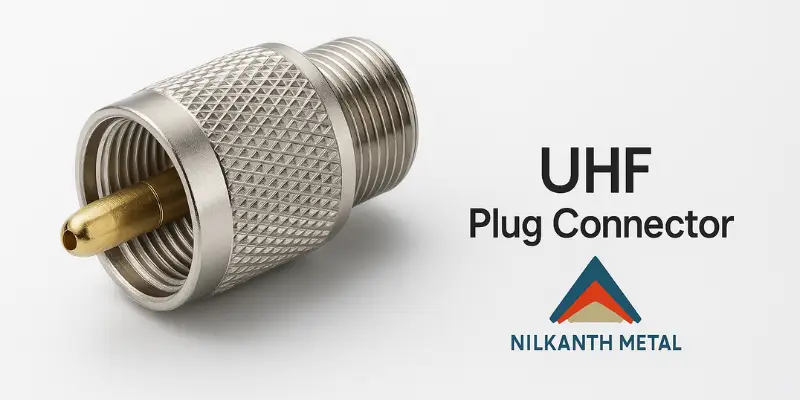
UHF Plug Connector: A Comprehensive Guide



April, 28 2025
Your Trusted Source for High-Quality Brass Air Valves


February, 14 2025
Versatile Brass and Steel Screws Customized for Industrial Sectors

July, 19 2024
What is Core Vents?