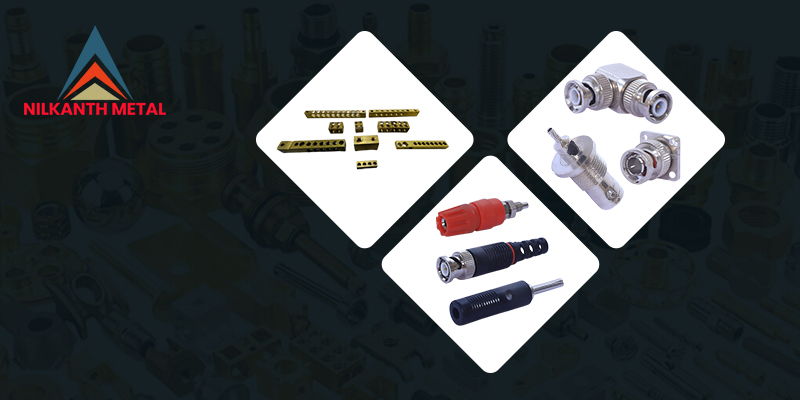
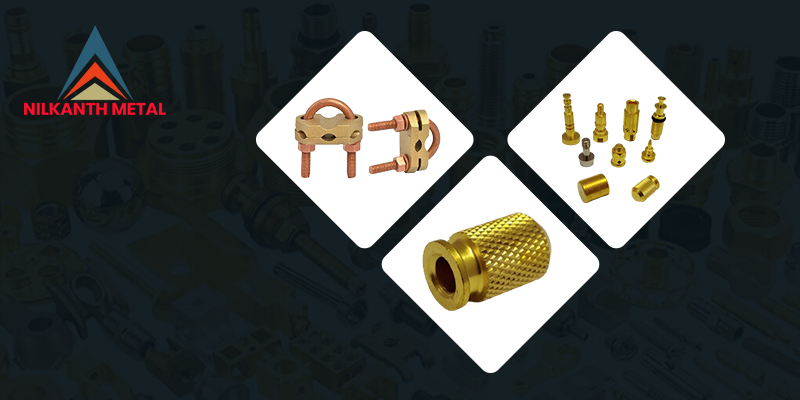
Complete Guide to N Male to F Female Socket Connector: Types, Uses & How to Choose in 2026
The way coaxial cables link up with RF signals keeps TVs running, networks alive, home security ticking. A go-to piece inside those links? The N plug to F jack adapter. If jobs involve wiring gear or just upgrading what hums at home, knowing its role helps - how it fits, where it goes, which version suits best matters much more than assumed. Shape, material, fit - each part quietly decides whether signal flows clean. Sometimes a twist of an adapter links N-type male plugs to F-type female ports, like using this F-to-female piece to keep signals clean. What lies ahead unpacks every detail on these fittings by 2026. Using this N Male to F Female Socket Connector ensures compatibility across different coax types without losing signal quality.
Understanding the N Type Male to Female RF Connector?
Starting off, a male N to female F socket piece links up an N-plug coax wire to an F-receptacle. Often found where signal lines meet equipment. This part joins two different threading types without hassle. Commonly spotted in setups needing stable RF connections. Used across TV antennas, satellite dishes, some internet hardware too:
- • Satellite TV installations
- • Cable television connections
- • CCTV and security camera systems
- • Wireless communication setups
A twist-lock fit marks the male end, holding firm once joined. On the opposite side, the receiver takes regular coax without fuss. Paired with a link such as this one - female to female - the join stays snug, keeping the flow clean. In setups needing reliable adapters, using this N Male to F Female Socket Connector makes installation simpler and ensures long-term stability.
Understanding N Male and Female Socket Connectors
A twist holds it together - the N male fits by turning into place. Instead of snapping, it threads tightly toward the F female end. Connection happens smoothly across mismatched coax styles. Signal moves through without leaking out along the way.
Signal quality depends on several factors:
- • Fine brass forms the base, while layers of nickel add durability. A finish in gold keeps electrical flow smooth by cutting down resistance.
- • Signal flow stays smooth because resistance lines up at 75 ohms across TV and web connections.
- • Firm joints stop signals from spilling out or getting disrupted.
Fitting pieces like this F to Female Plug matter a lot here since they hold N and F parts together firmly, especially when signals run fast. Stability comes through solid links, not luck - these adapters deliver that without fuss.
Male N to Female N Connector Types
Picking a converter means knowing what kinds exist
1. Straight Adapters
Male straight N to female joins things without fuss. These fit right into regular home systems when room isn’t tight around gear. A solid link forms fast, slips off just as quick. Connection stays clean, works every time - no extra parts needed.
2. Right-Angle Adapters
Tight spots? Right-angle connectors handle those without a problem. Cables that twist near edges stay safe, thanks to these fittings. Even when bent sharply, the connection holds firm through an F to Female Plug setup. Signal strength doesn’t drop, no matter the angle.
3. Weather-Resistant Outdoor Adapters
When gear stays outside, it faces rain, grit, maybe wild swings in heat or cold. These tough N male to F female links lock tight, keeping signals clear even when weather turns rough.
4. Bulkhead/Panel Mount Adapters
Fitted onto surfaces like walls or boxes, these adapters hold connectors firmly. Where gear runs nonstop - think TV hubs or data shelves - you’ll find them holding tight because they’re built to last.
N Male to F Female Socket Connector Uses
One reason folks pick N male to F female connectors is their flexibility. These parts often link devices in radio setups. A usual spot for them might be between antennas and transmitters. Sometimes they join test gear during checks. Another place you could find such a connection is on communication hardware. Their design helps keep signals stable across different tools
A small metal thread on the outdoor dish links up with a port inside your home. That connection carries signals through a wire ending in a threaded tip. The indoor box accepts this piece using a matching socket design. Threads twist together snug but not forced. Signal flows once both sides fit without gaps.
A single camera sits outside, feeding video through a thick N-type connector. This signal travels along a shielded line, joining an indoor recorder only after passing through mismatched fittings. The destination uses common F-style threading, forcing adaptors into the chain. Wires twist at odd angles where metal meets plastic seals. Each joint resists weather by compression alone. Signal integrity holds - despite shifts in temperature or humidity across seasons.
Broadband Internet: Converting coaxial cable types for routers or modems.
Got wireless signals? These little pieces catch Wi-Fi, LTE, along with radio frequencies floating around. They link devices without cords getting in the way. Tiny but crucial for staying online. Not much to look at - just sticks or stubs on gadgets - yet they handle constant chatter through airwaves.
This type of adapter - like the F to female plug - is essential when working with varied setups, keeping signals stable even when connection types differ. What helps most is how it bridges mismatched parts without losing performance, especially where gear doesn’t naturally fit together.
Materials and Build Quality
A good N male to F female adapter starts with what it's made of, also how it's put together. Metal choice matters just as much as the way parts fit. Some hold up over time, others fail fast when used often. Build precision affects signal flow more than most think. What feels solid usually works better. Longevity hides in details you can't always see. Performance comes from both design and substance
A bit of brass shows up often because it moves electricity well
Cookies taste better when stored properly - same way nickel plating keeps connections stable over time by slowing rust. Tougher surfaces emerge where metal meets environment, thanks to that thin shiny layer holding things together behind the scenes.
A thin coat of gold helps keep signals strong. For fast-moving data, this works well because interference stays low.
Sealed edges made of plastic or rubber usually come with outside power plugs. These small barriers keep dampness from getting inside. Moisture stays out because the material fits tightly around connections.
Built tough, the F to Female Plug pairs well with premium adapters to hold up under pressure. Signal stays strong, no matter the conditions it faces.
Selecting an N Male to F Female Socket Connector
Picking a suitable connector means keeping multiple things in mind Check that the N male connector fits with your current F female port before connecting them together. Sometimes things look similar but do not fit right, so take a close look first.
Fitting things together becomes simpler when using threaded adapters. A female plug connection speeds up the process without needing tools. This F to female setup clicks into place fast. Setup time drops because there is no need for extra gear. Assembly moves forward right away thanks to the design. Fewer steps mean less hassle during mounting.
Using N Male to F Female Connectors
Steady signal flow keeps your television, online connection, or radio frequency clear. What matters here is consistent delivery without interference muddying the output.
Firmness comes through solid makeup that laughs at rust and tear. Tough stuff stays strong when others would quit. Just twist the adapters into place - no need for a soldering iron. Fast setup means less hassle right out of the box. Squeezed into small spots, it leaves wires slack. Room stays clear, yet function holds firm.
Tips for Proper Use
Finger-tight is enough - too much pressure risks stripping the fittings. Start gently, finish secure. Mud or moisture on connections might weaken signals. So keep them clear and free of dampness. When setting up outside, cover parts from rain just in case. Waterproof gear matters most when left open to wind or damp air. When things get messy, a tag on each wire helps you spot issues fast. Tangled cords? Names on them cut the confusion later. A marker today saves time when something goes wrong tomorrow.
Fine handling of this F to Female Plug keeps things running well over time. What matters most shows up in how steadily it connects. A steady grip makes a difference you notice later. Lasting results come from small steps taken right at the start. How it works depends on how it's held each time. Smooth function follows careful use without rushing.
Final Thoughts
Tiny though it may be, the N male to F female socket connector plays a big role in today’s coaxial networks. Whether you’re setting up a TV at home or handling serious radio frequency gear, this piece keeps things linked without glitches. Built tough with top-grade parts, it holds up well over time when matched with fittings such as the F to Female Plug. Signal stays clean, setup goes smoothly, life span stretches out - all because of how it's made and what it connects to.
Starting with a satellite dish, or maybe a CCTV setup, even an outdoor antenna - knowing which N male to F female connector fits where really cuts down hassle later on. Picking the right one depends less on brand names and more on what job it has to do. Skip the guesswork by checking how each type behaves under real conditions. Wrong choice might slow things down instead of helping. Matching function to actual need makes everything run smoother in the long stretch.
Recent Post

August, 20 2025
UHF Plug Connector: A Comprehensive Guide



April, 28 2025
Your Trusted Source for High-Quality Brass Air Valves


February, 14 2025
Versatile Brass and Steel Screws Customized for Industrial Sectors

July, 19 2024
What is Core Vents?