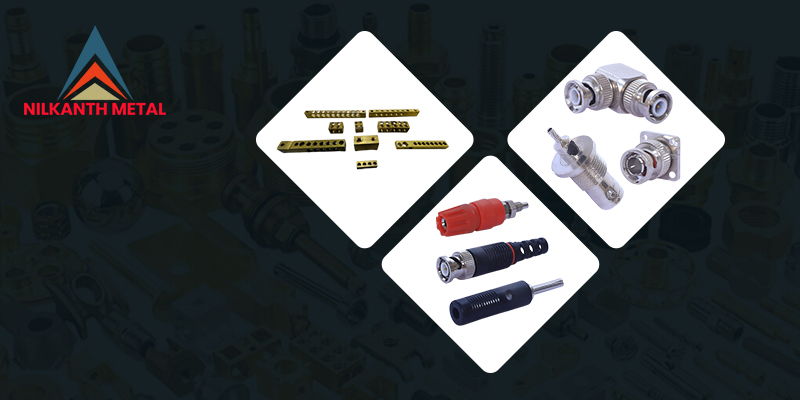
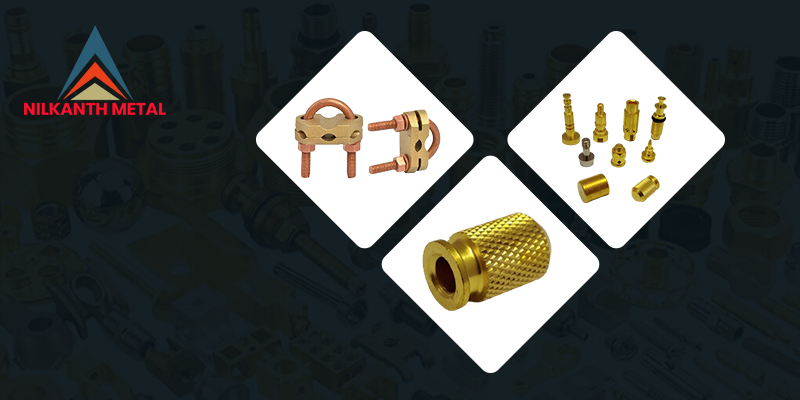
Everything You Need to Know About F to Female Plug Connectors: Types, Uses & Selection Guide
Coax cables pop up just about anywhere tech lives think living room setups or security cameras. These links often rely on an F-type female socket to join things without fuss. Instead of guessing which kind works where, it helps to know the differences, uses, plus what fits your setup best. Jump into this look at F to female plugs as they stand in 2026, minus the guesswork. Funny thing this F to Female Plug Connectors works much like its peers, built tough yet exact, so signals move steadily between gadgets.
Understanding the F to Female Plug Adapter?
A twist-on link for female sockets connects twin male F ports. Built with threads, it holds tight—keeps signals clear. Often found on TV aerials, dish systems, surveillance gear, plus radio frequency uses. Ends stay locked when screwed home. Finding its place between wires, this F to Female Plug Connectors links parts smoothly while holding on to clear signals. Not flashy, it plays a key part in how coax setups stay together. /p>
Understanding F Female Plug Connectors
Inside every F-connector, threads twist the male piece tightly into its female counterpart. Solid metal wraps around the joint, holding things in place firmly. Signal quality stays clean thanks to insulation deep within. A solid link forms easily no soldering involved, no special gear required. Homes use them just fine, yet pros rely on these too. Fine signal flow? That comes down to how these F connectors keep resistance steady, typically at 75 ohms. Without sudden shifts in that number, digital television and fast web links stay strong. Smooth performance shows up right where it matters right through the handoff between parts.
Types Of F To Female Plug Adapters
From F to female plugs, designs shift based on where they’re used. Picking the right fit starts by seeing how each version behaves in real situations.
1. Straight Couplers
One kind you see everywhere links coax cables just by adding space between them. These pieces join two male F connectors without fuss. Home television systems often rely on them when reach matters more than anything else. Length grows easy, connection stays solid nothing fancy, just works.
2. Right-Angle Adapters
Bending into corners, these F-type to female plugs fit where straight ones won’t. Without sharp twists, the cord stays safe from stress that could break it over time.
3. Panel Mount Adapters
Mounted right into walls or boxes, panel adapters hold ports firmly where gear gets swapped often. Built to stay put, these fittings offer steady access without wobbling loose over time.
4. Weather Resistant Outdoor Models
When rain hits an outside antenna setup, water-resistant F to female plugs keep things running without rust sneaking in. Out there, this F to Female Plug Connectors hold steady so signals stay strong through storms.
Female Plug Connector Uses
Female plug connectors come in many shapes. Whether it's home electronics or outdoor gear, these parts show up often. From radios to power supplies, they link devices without fuss. Sometimes small, sometimes bulky, their role stays clear. Wherever signals need passing, you might spot one. Not flashy, yet always working behind the scenes.
A wire links each TV to an antenna or a dish up on the roof. Signals travel through these paths into a box that sorts what shows appear. That device sits near the screen, passing pictures along when someone picks a channel.
Wires for cameras? Twist them longer right there inside security systems. One piece hooks to another when the line falls short near a monitor eye.
Cable lines carry broadband signals into homes. These connections run through thick wires that also handle TV service. A modem links the line to your devices. Speeds stay steady during regular use. This setup works where cable infrastructure already exists.
From studios to live stages, solid connections keep signals moving without a hitch. Equipment talks clearly when setup supports steady flow. Whether recording or streaming, clean delivery matters most. Signal strength stays high where systems are built tough. Performance holds up under real-world demands.
Females matching that F plug? This F to Female Plug Connectors make sure things stay connected without fail, no matter where you put them.
Selecting the Right F to Female Plug Connector
Picking the correct connector means looking at several main things:
1. Material and Plating
Frequently you'll find connectors built from brass or zinc, coated sometimes in nickel, other times in gold. Because conductivity improves with plating, durability gets a quiet boost outdoor setups benefit most. Corrosion slows down when those metals shield the surface.
2. Signal Compatibility and Impedance
When it comes to F-type connectors, 75Ω impedance is common across TV setups, satellite links, and internet services. Because mismatched parts can weaken signals or cause disruption, matching components matters.
3. Cable Fit
Start by looking at the connector its size must match the coaxial cable. When things line up right, the fit holds tight without slipping. That kind of grip keeps signals steady over time.
4. Durability and Environment
When placed outside or somewhere busy, pick tough connectors that resist weather so they last longer.
5. Brand and Certification
A solid connection often starts with parts you can trust. When the maker has a clear track record, chances drop that signals fade early. Skip unknown brands stick to known names for steady results across years. A reliable f to female adapter from such sources keeps things running without surprise shifts.
F to Female Plug Connectors Use Benefits
• Frequencies stay clear through solid connections. Strong signals keep moving without breaking apart. • Built for quick setup just twist into place without any messy work. Screw it tight, no extra tools required. • Fine at handling TV signals, also fits right into satellite systems. Pops up often in surveillance gear, just as much at home online. • Fighting rust and damage comes naturally when strong stuff stands up to tough conditions. Tough builds last longer because they handle stress without breaking down. • Small size fits where room is limited. Built to save space without compromise. Slips into cramped areas easily. Made for spots that demand less bulk. Tight corners welcome this shape. • It stands out in coax setups, given how much it offers. That one part just fits right where needed.
Tips for Proper Use
• Fingers only should close the fitting too much force risks thread harm. Pressure beyond snug might ruin the connection. • A spark of trouble might start where grime meets a port guard against it by keeping connections spotless, dry. Moisture loiters silently; dust piles up unseen both disrupt flow when left unchecked. Clean contacts mean steady transmission, nothing more. • Use weatherproofing for outdoor installations. • Label cables for easy identification in complex setups. • Pick up the new gear only after making sure it works with what you already own.
Final Thoughts
Even though tiny, F to female plugs keep signals flowing without hiccups across today’s gadgets. Starting every home theater setup or rooftop antenna link, these parts hold connections tight through years of use. Their strength shows up most when weather shifts or equipment changes often.
No matter if it’s for your house, a work site, or keeping an eye on things, good connectors make a real difference. Stick with a known brand when picking that f to female adapter keeps everything running without surprises. Even as gadgets change fast, this F to Female Plug Connectors still holds its ground in how we link up with coax cables.
Recent Post

August, 20 2025
UHF Plug Connector: A Comprehensive Guide



April, 28 2025
Your Trusted Source for High-Quality Brass Air Valves


February, 14 2025
Versatile Brass and Steel Screws Customized for Industrial Sectors

July, 19 2024
What is Core Vents?